First off, always check the care instructions. Whether it's a bamboo cutting board or reusable food wraps, knowing how to clean and store them makes a huge difference. Most of the time, warm soapy water does the trick. Just remember to avoid harsh chemical cleaners that can damage the materials.
For items like cotton bags or towels, give them a wash every now and then to keep them fresh. Use a gentle detergent to avoid any unwanted chemicals. Wash them on a gentle cycle and air dry if you can. This helps them last longer while keeping them looking nice.
If you've got wooden or bamboo items, like utensils or dishes, treat them with a bit of oil now and then. A light application of food-safe mineral oil or beeswax can prevent splitting and help maintain their beautiful look. It also adds an extra layer of protection against moisture.
Lastly, be mindful of how you store your items. Keep them in a cool, dry place, away from direct sunlight. This simple step can prevent fading and deterioration. Keeping a close eye on your sustainable goods ensures they stay as good as new, and that’s what we all want!
Cleaning Tips for Eco Friendly Products
Keeping your eco-friendly home goods clean doesn’t have to be complicated. In fact, it can be pretty straightforward! Here are some easy tips to help you care for your sustainable products while keeping the planet in mind.
First off, ditch the harsh chemicals. They can harm both your home and the environment. Instead, try natural cleaners like vinegar, baking soda, or lemon juice. For tough stains, a paste of baking soda and water works wonders on most surfaces. Just scrub gently and rinse well.
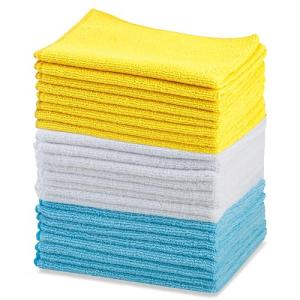
Don’t forget about your reusable cloths and scrubbing pads. Toss them in the washing machine with some eco-friendly detergent and let them air dry. This keeps them fresh and ready for the next cleaning session without adding waste. Plus, it’s great for your pocket too!
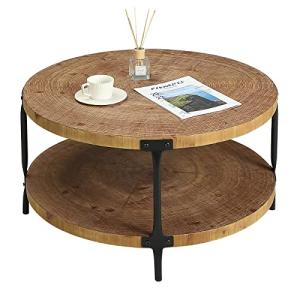
If you’re using bamboo or wooden products, a simple wipe with a damp cloth is often all it needs. For deeper cleaning, mix a bit of soap with warm water. Avoid soaking them and always dry them promptly to keep them looking great.
And remember, when it comes to cleaning, kindness goes a long way. Give your sustainable goods a little love, and they’ll reward you with longevity and performance. Happy cleaning!
Storage Ideas for Lasting Quality
When you invest in sustainable home goods, it's important to keep them in great shape. Storing your items properly can make a huge difference in their lifespan. Here are some simple storage ideas to help you keep everything organized and lasting.
First off, think about climate control. Humidity and heat can damage items like wood or natural fibers. A cool, dry spot is ideal. Use breathable cotton bags or natural fiber bins for storage. They let air circulate while keeping dust away. You can find these bags in various sizes, perfect for everything from blankets to reusable shopping bags.
Next, don't forget about labeling. This makes finding what you need super easy and keeps your space organized. Use eco-friendly labels made from recycled materials. Write down what’s inside on the label, so there's no digging around to find what you want.
For smaller items, consider using drawer organizers made from bamboo or recycled plastic. These can separate your goods without adding extra waste to the environment. Stackable containers are also handy if you're tight on space—just make sure they're made from sustainable materials!
Lastly, keep everything within reach but stored neatly. Group like items together—kitchen supplies with kitchen supplies, linens with linens. This makes it easier than ever to grab what you need without a hassle. A little thought into your storage setup can go a long way in caring for your sustainable home goods.
Repairing vs Replacing Your Home Goods
When it comes to your sustainable home goods, you might wonder whether to repair them or just buy new ones. It’s a practical question that can save you both money and help the planet. Repairing often means you keep your items out of landfills, and if you can fix something with a little effort, why wouldn’t you?
Start by looking at what’s broken. Small items like glass jars or wooden furniture can usually be mended with a bit of glue or some simple tools. A scratch on your wood table? A little sanding and some natural oil can bring it back to life. It feels good to roll up your sleeves and give your items a second chance, plus it can become a fun DIY project!
If the damage is too much or your favorite item just won’t function anymore, it might be time to consider a replacement. Go for sustainable options that align with your values. Look for brands that use eco-friendly materials and ethical practices. Investing in high-quality products means they’ll last longer, saving you money in the long run.
Before tossing an item in the trash, think creatively. Can you repurpose that old kitchen gadget into something useful? Maybe turn that worn-out towel into cleaning rags? It’s all about thinking outside the box and getting the most out of your purchases while being kind to the environment.