Making eco-friendly choices doesn't have to be overwhelming. Start small and focus on everyday items you already use. Just a few simple swaps can make a big difference in reducing waste and living sustainably.
For example, switch out your plastic kitchen tools for bamboo or stainless-steel options. These materials are durable, long-lasting, and totally safe for your family. Plus, bamboo grows quickly, making it a super sustainable choice.
Next, consider your cleaning supplies. You can easily find brands that use natural ingredients and recyclable packaging. Or, try making your own cleaners with vinegar and baking soda. They work great, smell fresh, and keep harmful chemicals out of your home.
Don’t forget about your daily habits, too! Bring reusable shopping bags and water bottles wherever you go. They're not only better for the planet, but they also save you money over time. You’ll be surprised at how these little changes can add up to a greener lifestyle.
Choose Multi-Use Items for Efficiency
When it comes to sustainable home products, multi-use items are a game changer. They save space, cut down on waste, and often save you some cash too. Think about all those one-use products that fill up our drawers or landfills. By choosing items that can do double (or triple) duty, you can lighten your footprint and simplify your life.
For example, look for a reusable beeswax wrap instead of single-use plastic wrap. It keeps your food fresh, but you can wash it and use it again and again. Or consider a versatile bamboo cutting board that not only preps your meals but also doubles as a serving platter. It’s functional and stylish!
Storage solutions are another area where multi-use shines. Collapsible bins or baskets can hold everything from toys to towels. When you don’t need them, they tuck away neatly. Less clutter means a more peaceful home environment.
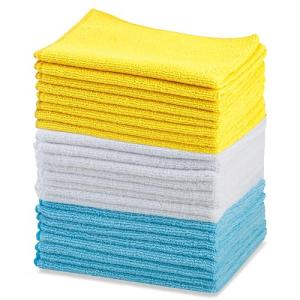
Lastly, think about cleaning supplies. Swap out all those single-use wipes for a set of washable cloths. You’ll cut down on waste and still keep your home sparkling clean. With all these options, embracing multi-use items is a smart and easy way to make your home more sustainable.
Opt for Natural and Recycled Materials
When it comes to making your home a bit greener, choosing natural and recycled materials is a fantastic first step. Think about all those everyday items you use. By picking things made from sustainable materials, you can feel good about your choices and help the planet at the same time.
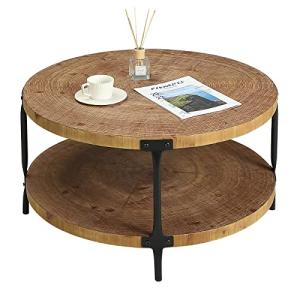
For instance, look for furniture made from reclaimed wood. It’s not only unique, but it also gives a second life to materials that might otherwise end up in a landfill. Plus, recycled metals can make great accents or even the main focus in your home design. They’re sturdy and come with a cool story behind them.
Textiles are another area where you can make a big impact. Opt for organic cotton or linen sheets and towels. They’re soft, comfy, and free from harmful chemicals. Even better, check out items made from recycled fabric. They can add a fun touch to your space while helping reduce waste.
When shopping, keep an eye out for labels that show a commitment to sustainability. Certifications like FSC for wood or GOTS for textiles can guide you to products that are made responsibly. By choosing these items, you not only enhance your home but also support eco-friendly practices.
Embrace Local Brands and Products
When you're on the hunt for sustainable home goods, don't overlook local brands. Supporting local businesses not only feels good, but it also helps your community. Plus, when you choose products made nearby, you cut down on transportation emissions. That’s a win for the environment!
Local companies often use materials that are sourced sustainably. Whether it’s furniture made from reclaimed wood or kitchenware crafted from bamboo, you get unique items that stand out. These products often come with a backstory, making them even more special for your home. Who doesn’t love a piece with a little character?
Shopping from local artisans and makers also means you're likely to find higher quality. Many of these brands focus on durability and craftsmanship instead of mass production. You’re investing in items that last longer, which saves you money in the long run and reduces waste.
Don’t forget about farmers' markets and craft fairs. They’re a treasure trove of eco-friendly goodies! You might find handmade soaps, reusable bags, or even plant-based cleaning supplies. It’s an easy way to check out products, ask the maker questions, and feel confident about your purchase.
So next time you need to buy something for your home, explore what’s available nearby. Support your neighbors and fill your space with unique, sustainable products that you can feel good about using every day.